Trade Between the U.S. And China is Becoming Worse Again. Supply Chains Will Alter in 2026, and Global Trade Will Be at Risk
- Apr 08, 2026
- 23 Views
Trade Between the U.S. And China is Becoming Worse Again. Supply Chains Will Alter in 2026, and Global Trade Will Be at Risk
The business relations between the US and China are still one of the most important aspects that will affect trade around the world in 2025–2026. Because they have the two largest economies in the world, their economic and political decisions have a tremendous impact on global economic growth, manufacturing supply chains, commodity flows, and international markets.
In the last few months, trade problems between Washington and Beijing have gotten worse again. As per USA Import Data by Import Globals, there are once again huge problems in the relationship between the two countries. These include tariffs, limits on technology, and disagreements over how to get essential minerals. In May 2026, Donald Trump and Xi Jinping may meet, which is a huge thing for international relations. This encounter could determine whether the two countries get along or have more economic problems.
The US has put tariffs back on some Chinese imports, and China has responded by doing things that affect American goods and critical industries. People, businesses, and governments all across the world are worried about these changes because long-lasting trade battles between the two giants might disrupt supply chains and slow down the growth of global trade.
The History of the U.S. and China Disagreeing Over Trade
The US and China didn't always have a lot of trade problems. Import Globals says that the conflict got worse in the late 2010s when both countries slapped duties on items worth hundreds of billions of dollars. Even if conversations and partial agreements helped calm things down for a while, there are still disagreements regarding trade imbalances, preserving intellectual property, and making sure that technology stays competitive.
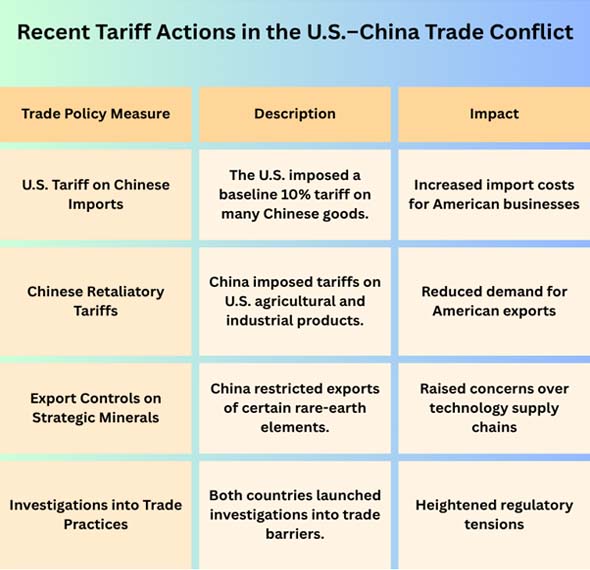
Based on USA Export Data by Import Globals, the US raised levies on Chinese imports in 2025 as part of its larger goals for the economy and security. At first, the U.S. government charged a 10% tax on goods that came from China. This tax went up subsequently because of past trading actions. China responded by putting taxes on American industrial items, energy exports, and agricultural goods.
Because things got worse, tariffs on several commodities exchanged between the two countries rose raised. Some tariffs were temporarily lifted as a result of talks, but there are still many trade problems that need to be fixed.
The fact that the struggle is still going on suggests that the two economies are fighting with each other on a deeper level. Even if China is now the best site to create things, the US is still the greatest market for goods and the leader in technology. Because of this, the regulations that govern trade between countries decide how businesses make things and where they put their money around the world.
Important Rules and Tariffs for Trade
According to USA Import Export Trade Data by Import Globals, tariffs are still the clearest evidence that the trade war is still going on. The US has used tariffs to put pressure on China on a number of problems, including trade deficits, the transfer of technology, and the safety of the supply chain.
In response, China has put in place taxes and procedures that hurt American exports and enterprises from around the world that do business in China. These standards that are supposed to be fair have made it less clear how trade between countries would work.
Issues in the Supply Chain for Rare Earths and Tech
The trade war between the U.S. and China also hurts essential industries like semiconductors, AI, and minerals that are needed for life. Rare-earth elements are very important for electronics, renewable energy systems, and defense technology. This has made them a very sensitive topic. China has a lot of power in trade talks since it controls a lot of the supply chain for rare earths around the world.
Based on USA Import Custom Data by Import Globals, companies and governments all across the world are more worried about limits on exporting rare-earth elements and the technology that goes with them. These materials are needed for a number of high-tech goods, such cell phones, electric cars, and weaponry. The US and its allies are spending more and more money to find new places to get rare-earth minerals, such as Canada, Australia, and Vietnam. This is to make them less reliant on China for these things.
How It Affects Trade and Supply Networks All Across the World
The trade war between the US and China has already caused big disruptions in supply chains all across the world. A lot of big businesses throughout the world are using a "China +1" strategy. As per USA Import Trade Analysis by Import Globals, this means that they still make things in China, but they also build up their ability to make things in other nations.
Research shows that tariffs and trade barriers have a big impact on how trade moves around the world. In the last few years, trade between the US and China has dropped a lot, but trade between other countries has gone up.
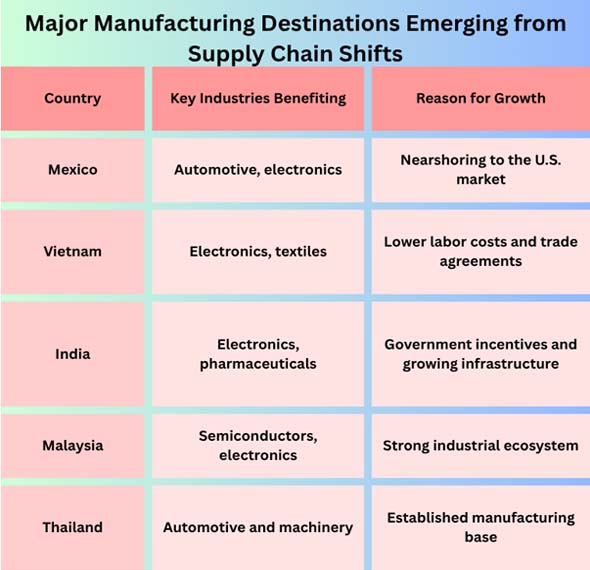
The countries that are getting these benefits include:
- Mexico
- India, Malaysia, and Vietnam
- Thailand
Companies are investing in these economies because they want to spread out their supply chains and lower their risk of political difficulties. When companies look for new suppliers, imports from China to the U.S. have gone down a lot in some circumstances. But Chinese exporters have changed by sending more goods to locations like Southeast Asia, Europe, and emerging countries.
The "China +1" Plan and Transferring Factories
According to USA Exporter Data by Import Globals, businesses are moving, which is one of the most obvious effects of the trade war between the U.S. and China. A lot of huge companies who used to rely on Chinese manufacturing are now making more things in other nations. This trend has been very favorable for both South Asia and Southeast Asia.
What this Implies for the US Economy
The US puts tariffs on goods coming from China to help American enterprises and make them less dependent on goods made in other countries. But tariffs can also raise the cost of making items in the US that need parts from other countries.
Some U.S. manufacturers have done better because there is less competition from Chinese imports. Many organizations have also had to deal with increased costs and problems with their supply chains at the same time.
As per USA Importer Data by Import Globals, people may also have to pay more for imported goods including electronics, household items, and industrial equipment.
Because of China's retaliatory tariffs, some American exports, especially agricultural goods like soybeans, pork, and dairy, are also less popular.
How it Affects China's Economy
Trade problems with the US hurt China's economy, which depends on exports. It is hard for Chinese goods to compete in the US market because of tariffs.
But China has reacted by strengthening its trading ties with other parts of the world, such as Africa, the Middle East, and Southeast Asia.
As per China Import Shipment Data by Import Globals, Chinese policymakers have also put in place internal economic stimulus measures to help manufacturers and exporters that have been hurt by trade restrictions. Even though there are problems, China's exports are nevertheless rising quickly in some areas, such as electric vehicles, renewable energy technologies, and industrial equipment.
What May Go Wrong With Commerce Throughout the World in 2026?
The troubles with trade between the U.S. and China might have a number of effects on the world economy.
- First, higher tariffs might make it harder for the two countries to trade with each other, which would slow down growth in both economies.
- Second, if trade policy is not clear, multinational corporations may be less likely to invest and may have a difficult time planning their businesses.
- Third, disagreements on technology and vital minerals could break up global supply chains and cause different economic groups to compete for resources.
- Lastly, trade wars might make other geopolitical threats worse, such wars that impair shipping routes, which would make trading between countries increasingly harder.
What to Expect at the Trump–Xi Summit
Based on China Import Export Trade Analysis by Import Globals, the summit between Donald Trump and Xi Jinping that is set for May 2026 is a fantastic chance to calm trade tensions.
Here are some of the main topics that diplomatic talks might be about:
- Lowering tariffs
- Restrictions on shipping technology to other countries
- Source of minerals that are hard to find
- Deals about commerce in farm goods
As per USA Export Import Global Trade Data by Import Globals, the two countries have communicated in the past and made short-term trade arrangements. But the rivalry for strategy is still intense, which makes it hard to develop a long-term solution.
If the meeting leads to real agreements, it might make trade between countries more stable and give businesses and investors more faith in the economy. But if the talks don't go well, the trade war could get worse.
Final Thoughts
The rising trade problems between the U.S.and China prove once again how awful the global business system is. International markets are challenging to grasp because of tariffs, export constraints, and competition between the two greatest economies.
Even while the two governments keep talking about possible deals, firms all over the world are already changing how they receive their goods and investing in new industrial centers. These changes are favorable for Mexico, Vietnam, and India since companies are seeking for ways to safeguard themselves from political concerns.
The way the US and China deal with their economic ties in the future will have a huge effect on trade around the world. The upcoming summit will have a huge effect on how firms work together or against each other for the next ten years. Import Globals is a leading data provider of USA Import Export Trade Data.
FAQs
Que. What is the reason for the trade war between the US and China?
Ans. The disagreement is over trade imbalances, intellectual property rights, access to technology, and national security issues that have to do with supply chains.
Que. What kinds of taxes does the US put on items that come from China?
Ans. Some Chinese items that came to the US had taxes that started at about 10%. When there was a war, important industries had to pay more taxes.
Que. What steps are businesses doing to fix the trade issues?
Ans. A lot of businesses are using the "China +1" strategy to expand out their supply chains. This means that they will relocate some of their production to countries like Mexico, India, and Vietnam.
Que. Could the trade war between the U.S. and China slow down trade growth throughout the world?
Ans. Yes. Higher tariffs and political instability throughout the world can slow down trade growth, raise production costs, and mess up supply chains all over the world.
Que. Where to get detailed USA Import Export Global Data by Import Globals?
Ans. Visit www.importglobals.com.